
Tomatis ®
The Tomatis® Method, developed by Dr. Alfred Tomatis is an advanced sound therapy that utilizes modulated music and voice feedback to improve the brain’s ability to process auditory information.
This method is particularly beneficial for individuals with the following:
Sensory Processing Challenges
Developmental Delays
Auditory Sensitivities
Tomatis helps train the brain to respond more effectively to sensory input. By enhancing attention, language development, and overall learning capacity, the Tomatis® Method supports long-term growth, emotional connection, and well-being.
Tomatis® Method Intensives are available in our clinic with additional 1:1 therapy or can be implemented at home with guided consultation. Contact us to learn more about how the Tomatis® Method can support your or your loved one's development.

Tomatis Method at Kidnecting Potential
At Kidnecting Potential, we believe every child has the potential to grow, connect, and thrive when provided with the right supports at the right time. The Tomatis® Method is one of the tools we use to help support nervous system organization, attention, regulation, communication, learning, and participation in everyday life.
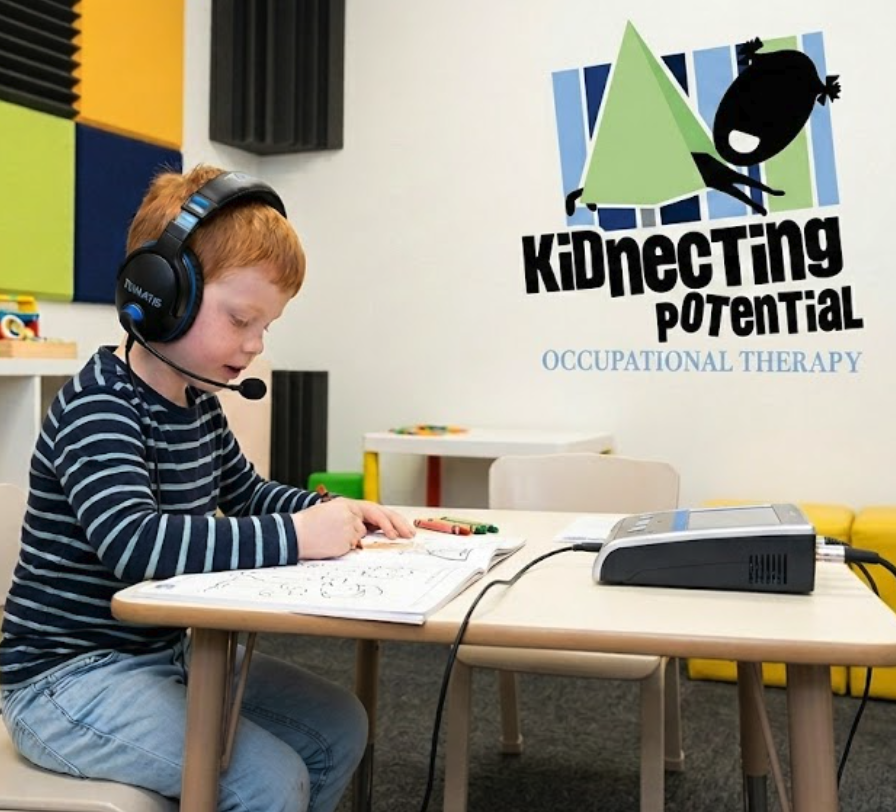
The Tomatis® Method is a sound-based program that uses specially designed music and auditory stimulation delivered through Tomatis® headphones. By engaging the auditory, vestibular, and sensory systems, Tomatis® can help support the brain’s ability to process information, regulate arousal, and build a stronger foundation for learning and development.
Frequently Asked Questions
-
The Tomatis® Method is a neuro-sensory listening program developed from the work of French physician and researcher Dr. Alfred Tomatis. The program uses specially filtered music and voice frequencies delivered through both air conduction and bone conduction to stimulate the auditory system and support brain-body organization.
The auditory system plays a critical role in far more than hearing. It is closely connected to attention, posture, balance, coordination, emotional regulation, communication, and learning. Through carefully designed listening experiences, the Tomatis® Method aims to support the nervous system’s ability to process and respond to information more efficiently.
At Kidnecting Potential, Tomatis® is often used alongside Occupational Therapy and other developmental supports to help children build stronger foundations for participation in daily life.
-
Tomatis® may be beneficial for children and adolescents who experience challenges with:
Attention and focus
Emotional regulation
Sensory processing differences
Auditory processing difficulties
Sound sensitivity
Motor planning and coordination
Communication and language development
Social engagement
Learning readiness
Executive functioning
Body awareness and postural control
Transitions and flexibility
Self-confidence and independence
Because every child is unique, recommendations are individualized based on clinical observations, developmental history, and family goals.
-
The Tomatis® Method uses specialized headphones that deliver sound through both air conduction and bone conduction pathways. The music and auditory stimulation are electronically modified to create changes in timing, frequency, and intensity that encourage the auditory system to become more active and responsive.
The listening experience is designed to stimulate neural pathways involved in:
Attention and alertness
Sensory processing
Motor planning and coordination
Language and communication
Emotional regulation
Listening skills
Learning and participation
Children may listen while engaging in quiet activities such as drawing, building, puzzles, crafts, movement activities, or sensory-based play.
-
The Tomatis® Method is designed to be completed in phases, allowing the nervous system time to process, integrate, and build upon each listening experience.
At Kidnecting Potential, participation typically begins with a minimum of two intensive listening phases, separated by a consolidation and integration period. Many children benefit from additional listening phases based on their individual needs and goals.
A typical program includes:
Intensive Listening Phase 1 (14 days)
Consolidation and Integration Period (4–6 weeks)
Intensive Listening Phase 2 (14 days)
Follow-up listening assessments and clinical review
Additional listening phases as recommended
Listening may occur in the clinic, at home, or through a combination of both. Many children also participate in Occupational Therapy sessions during their listening program to support integration into daily activities, motor skills, communication, regulation, and participation.
While two intensive phases are generally considered the minimum starting point, families should anticipate and plan for a series of approximately three intensives to achieve the greatest benefit. Children with more complex developmental, sensory-motor, communication, learning, or regulation challenges often benefit from additional listening phases as the nervous system continues to build and refine new skills over time. Recommendations are individualized based on progress, goals, and clinical observations.
-
At Kidnecting Potential, we view development through a whole-child lens. Listening, movement, sensory processing, regulation, communication, and participation are deeply interconnected.
The auditory and vestibular systems share important neurological connections that influence:
Postural control
Motor planning (praxis)
Balance and coordination
Visual processing
Attention
Emotional regulation
Communication and social engagement
By combining Tomatis® with Occupational Therapy, we can help children apply emerging skills within meaningful activities and everyday experiences.
-
Every child responds differently. Some families notice changes during the first intensive, while others observe progress more gradually over time.
Potential areas of growth may include:
Improved attention and focus
Greater emotional regulation
Improved flexibility with transitions
Increased communication and engagement
Improved sleep patterns
Enhanced body awareness and coordination
Increased confidence and independence
Greater participation at home, school, and in the community
Progress is monitored through clinical observations, parent feedback, listening assessments, and functional outcomes that are meaningful to the child and family.
-
The Tomatis® Method is non-invasive and generally well tolerated by children and adults.
Programs are individualized, and we carefully monitor each child’s response throughout the process. For children with a history of seizures, significant hearing loss, complex medical conditions, or other specialized needs, additional consultation may be recommended before beginning a program.
-
Tomatis® Intensives are offered as a private-pay service and are not billed to insurance.
The total investment for the first two intensive phases is $2,500, which includes the core components of the Tomatis® program necessary to begin the listening process and support ongoing integration.
The initial investment includes:
Initial consultation and program planning
Tomatis® listening assessments
Tomatis® headphones
Licensing and programming fees
Individualized listening programs
Clinical monitoring and support
Consolidation (maintenance phase) listening between intensives
Follow-up recommendations and consultation
Occupational Therapy sessions are not included in the Tomatis® Intensive fee and are billed separately when applicable.
Additional Intensives
Many children benefit from additional listening phases beyond the initial two intensives, particularly those with more complex developmental, sensory-motor, communication, learning, or regulation needs.
Additional intensives are available for $500 per intensive and include:
14 days of intensive listening
Pre- and post-listening assessments
Consultation and program review
Consolidation (maintenance phase) listening program
Ongoing clinical recommendations
Because every child responds differently, recommendations for additional intensives are individualized based on progress, goals, and clinical observations.
-
Tomatis® listening programs and intensives are considered specialized developmental services and are not typically covered by insurance.
Families may wish to consult their Health Savings Account (HSA) or Flexible Spending Account (FSA) administrator regarding potential reimbursement options.
-
The first intensive typically includes:
Initial consultation and program planning
Tomatis® listening assessment
Tomatis® headphones
Licensing and programming fees
Individualized listening program
Clinical monitoring and support
Follow-up recommendations
Integration with Occupational Therapy when appropriate
Program recommendations are individualized based on each child’s profile and goals.
-
No single intervention is right for every child.
Tomatis® is one of many tools we may recommend as part of a comprehensive developmental plan. Some children may benefit most from Occupational Therapy, parent coaching, environmental supports, educational accommodations, or other therapeutic interventions before beginning a listening program.
At Kidnecting Potential, our goal is to recommend what is most appropriate for your child—not simply the next available service.
Getting Started
If you are interested in learning whether the Tomatis® Method may be a good fit for your child, we would be happy to talk with you.
Our team can review your child’s developmental history, current challenges, goals, and therapy recommendations to determine whether a Tomatis® listening program should be considered as part of their plan of care.
Ready to Learn More?
Contact Kidnecting Potential to schedule a consultation and explore whether Tomatis® may be an appropriate next step for your child and family.
Disclaimer: The Tomatis® Method is designed to support listening, communication, attention, regulation, and learning. It is not intended to diagnose, treat, cure, or prevent any medical condition. Recommendations are individualized and should be considered within the context of a comprehensive developmental and therapeutic plan.